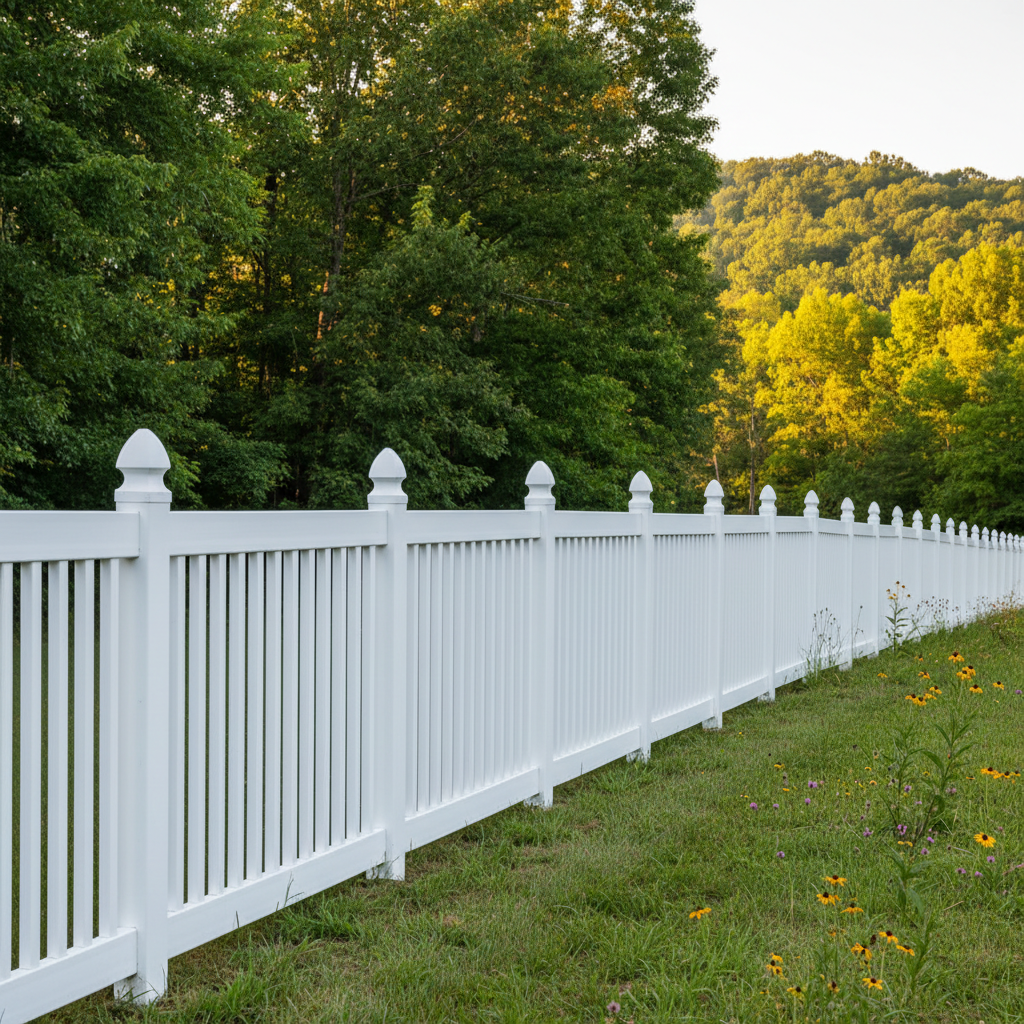
You've got a farm, and you've got fences. That's a big investment, whether it's keeping your livestock in, predators out, or just defining your property line. Here in Sevierville, with our humid summers, freezing winters, and everything in between, those fences take a beating. So, how do you make sure your hard work and money last?
Extend Your Fence's Life from Day One
It all starts with the right fence for the job and good installation. I've seen folks try to cut corners, and it always comes back to bite 'em. For farm fences, that means using quality materials – pressure-treated posts, good wire, sturdy gates. Don't skimp. If you're putting in new posts, make sure they're set deep enough, especially in our rocky Sevierville soil. You want at least a third of the post below ground, and for corner posts, even more. Use gravel or concrete for stability. Proper tensioning of your wire is also key; too loose and it sags, too tight and it snaps under pressure or temperature changes.
Drainage around posts is another big one. Water pooling around the base of a wooden post is a recipe for rot. Make sure the ground slopes slightly away from the post, or consider using concrete collars to keep the wood from sitting directly in standing water.
Regular Maintenance: Your Fence's Best Friend
Think of your fence like your truck; it needs regular check-ups. You don't wait for the engine to seize up before you change the oil, right? Same goes for your fence.
- Walk the Line: I tell all my clients to walk their fence lines at least once a month, maybe more often after a big storm. Look for broken wires, loose staples, leaning posts, or gates that aren't latching right. It's easier to fix a small problem now than a big one later.
- Clear the Growth: We've got kudzu and all sorts of aggressive vines around here. Keep vegetation cleared away from your fence. It can pull down wires, hold moisture against posts, and even short out electric fences. Use a weed eater, or better yet, a good old-fashioned machete.
- Check Tension: For woven wire or barbed wire, check the tension. Temperature fluctuations can cause wire to expand and contract. If it's looking saggy, you might need to re-tension it.
- Inspect Posts: Give your wooden posts a good kick or prod with a screwdriver, especially at ground level. That's where rot usually starts. If it feels soft or punky, you've got a problem brewing. For metal posts, check for rust and make sure they're still firmly in the ground.
- Gate Care: Gates get the most wear and tear. Make sure hinges are oiled, latches work smoothly, and the gate isn't dragging. A dragging gate puts a lot of stress on the posts it's attached to.
- Electric Fences: If you've got an electric fence, check your voltage regularly with a fence tester. Look for shorts from vegetation or broken insulators.
Warning Signs You Can't Ignore
Some things just scream,