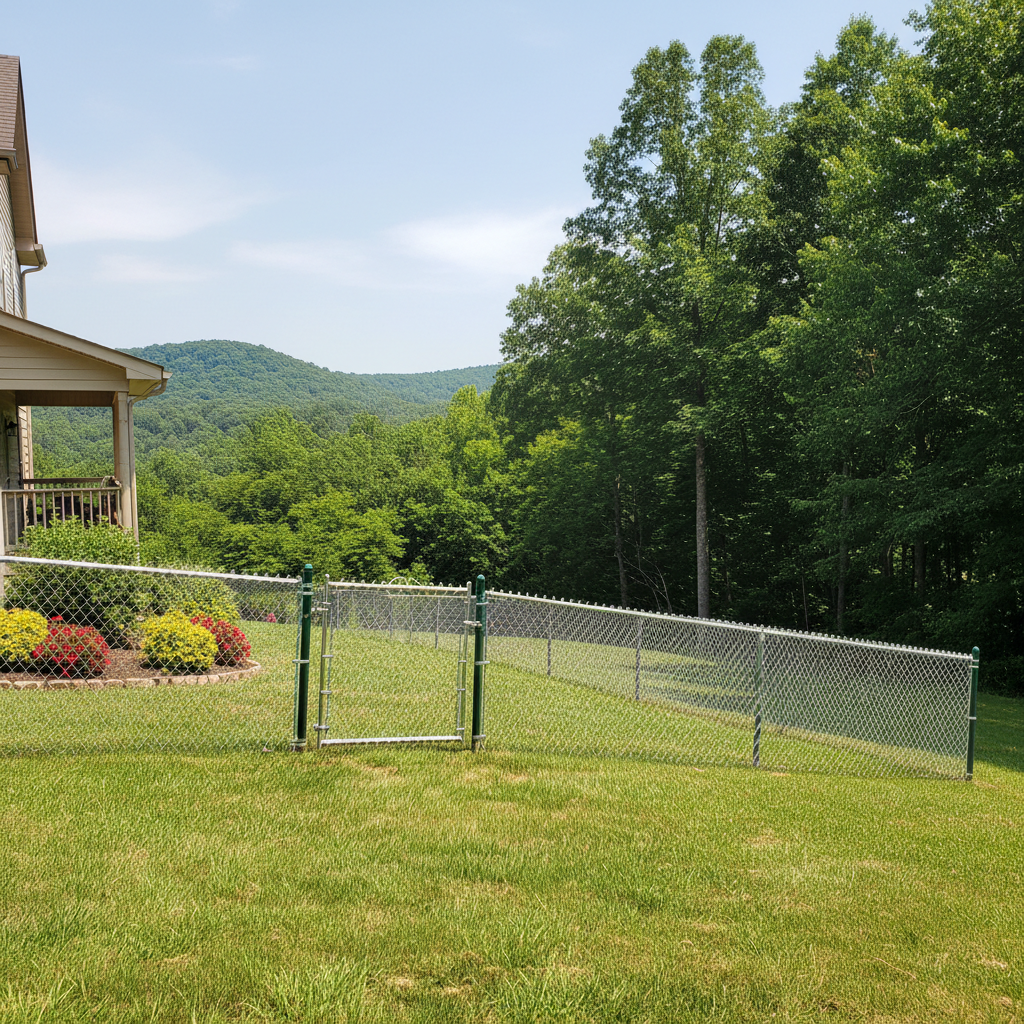
You're looking to put up a chain link fence, and that's a smart move for security, pets, or just defining your property line. But here in Sevierville, our weather isn't always predictable, and that plays a big role in when and how you get that fence installed. I've been doing this for a while, and I've seen it all, so let me break down what you need to know.
When's the Best Time to Install a Chain Link Fence?
Honestly, you can install a chain link fence pretty much any time of year, but some seasons are definitely easier on everyone involved. For me, the sweet spot is usually spring or fall. Why?
Spring (March to May): The ground's usually thawed out, but it hasn't gotten scorching hot yet. We're past the worst of the winter freezes, and the soil is workable. You might get some spring showers, but a little rain usually isn't a deal-breaker unless it turns into a downpour that makes the ground too muddy to work safely and effectively. Plus, if you're fencing for pets or kids, getting it done before summer hits means you're ready for outdoor fun.
Fall (September to November): Similar to spring, the temperatures are usually mild and comfortable. The ground's still soft enough from the summer, and we're typically past the heavy summer humidity. You avoid the summer heat, which makes the job a lot more comfortable for my crew, and you beat the winter freezes. It's a great time to get things buttoned up before the holidays.
Summer can work, but it's hot, and our Sevierville summers can be brutal with that humidity. Winter? We can do it, but if the ground is frozen solid, digging post holes becomes a much bigger, more time-consuming, and sometimes more expensive job. It's not impossible, but it's not ideal.
How Does Sevierville Weather Affect Installation?
Our local climate definitely has its quirks. Here's what we're always watching out for:
Rain: A light drizzle? No problem, we can usually work through it. But heavy, sustained rain turns the ground into a muddy mess, especially if your property is on one of those sloped lots up towards the mountains. That makes digging tough, and it can compromise the integrity of the post holes if they fill with water before we can set the concrete. It also makes for slippery, unsafe conditions for my team. We'll reschedule if it's too wet.
Frozen Ground: This is the biggest hurdle in winter. When the ground freezes several inches deep, digging those post holes becomes a slow, laborious process. It can add significant time and effort to the job. We've got specialized equipment for it, but it's always easier when the ground is thawed.
High Winds: While not as common a problem for installation as rain or frozen ground, strong winds can make handling long sections of chain link fabric tricky and unsafe. We'll always prioritize safety.
Extreme Heat: Working in 90+ degree heat with high humidity is tough on anyone. It slows things down and increases the risk of heat exhaustion for my crew. We'll make sure they take plenty of breaks and stay hydrated, but it's just not as efficient as cooler weather.
Protecting Your Chain Link Investment Year-Round
A chain link fence is pretty low-maintenance, but a little attention goes a long way, especially with our seasonal changes:
Regular Inspections: Just walk the fence line a couple of times a year, maybe in spring and fall. Look for any loose ties, bent posts, or sagging sections. If you see something, catch it early before it becomes a bigger problem.
Clean Up Debris: After a big storm, check for fallen branches or anything leaning against the fence. Heavy snow and ice can also put a lot of stress on the fabric and posts, so keep an eye out for any damage once things melt.
Trim Vegetation: Keep vines, bushes, and trees from growing into or over your fence. They can pull at the fabric, cause rust spots if they hold moisture against the metal, and just make your fence look neglected.
Address Rust: Chain link fences are galvanized to resist rust, but over time, especially in our humid climate, you might see some spots. If you catch it early, you can clean it with a wire brush and apply a rust-inhibiting primer and paint. That'll extend its life significantly.
Check Gates: Gates get the most use, so make sure they're swinging freely, the latches are working, and the hinges aren't seizing up. A little lubricant on hinges can prevent a lot of headaches.
Taking care of your fence isn't rocket science, but it ensures you get the most out of your investment. If you've got questions about installation or need a hand with repairs, don't hesitate to give us a call at Guardian Fencing. We're here to help folks in Sevierville keep their properties secure and looking good.